
The MS Comitê de Cultura offers workshops on grant applications in urban areas and portfolio development in indigenous communities
Workshops in Dourados and Nova Alvorada do Sul break away from the traditional format and focus on sharing real-life experiences to train cultural producers
The Mato Grosso do Sul Comitê de Cultural (CCMS) held two separate training sessions in Dourados on Saturday (Oct. 25, 2025).
The activities, organized by the non-profit organization OSCIP Flor e Espinho, took place at the Municipal Theater and at Retomada Yvu Verá, highlighting the various challenges faced by cultural agents in the municipality.
At the Municipal Theater, a workshop on developing cultural projects was led by Anderson Lima. The focus was on training producers to apply for grants under the Aldir Blanc National Policy (PNAB).
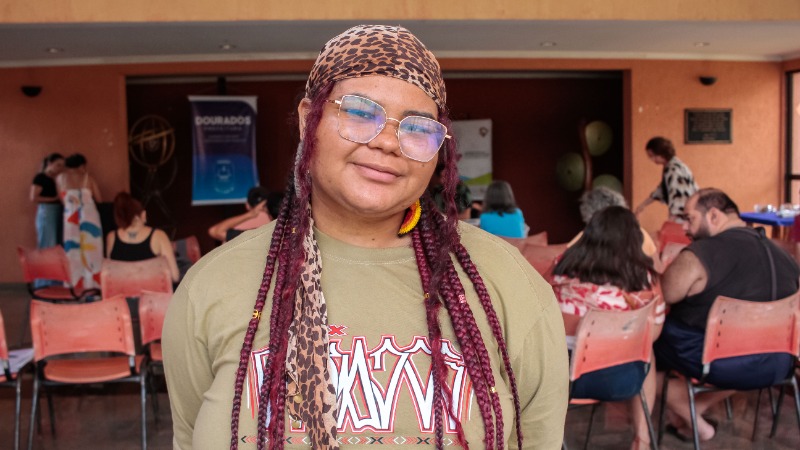
According to the participants, the workshop stood out for its practical approach. Helo, a 22-year-old cultural producer involved in street culture, highlighted the importance of the initiative. “Speaking from my own experience, I never had access to these opportunities—I didn’t even know that calls for proposals to support culture existed. So when there are workshops to improve our skills and help us learn, that’s when I truly feel we’re democratizing access.”
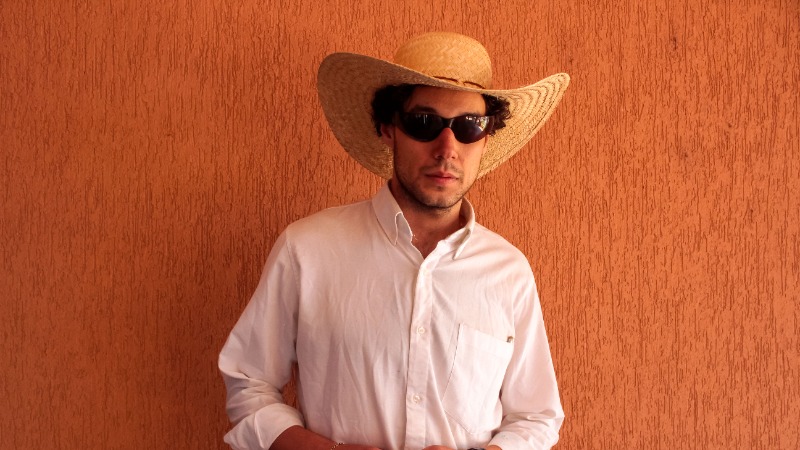
Photographer and historian Jacques Joseph Nemr, 25, also emphasized the difficulty of accessing resources. “People who are creative and have artistic potential often run into the bureaucracy that’s also part of the process. Therefore, cutting through this red tape is an essential part of the cultural production process in Dourados, but also in Mato Grosso do Sul and throughout Brazil,” he commented.
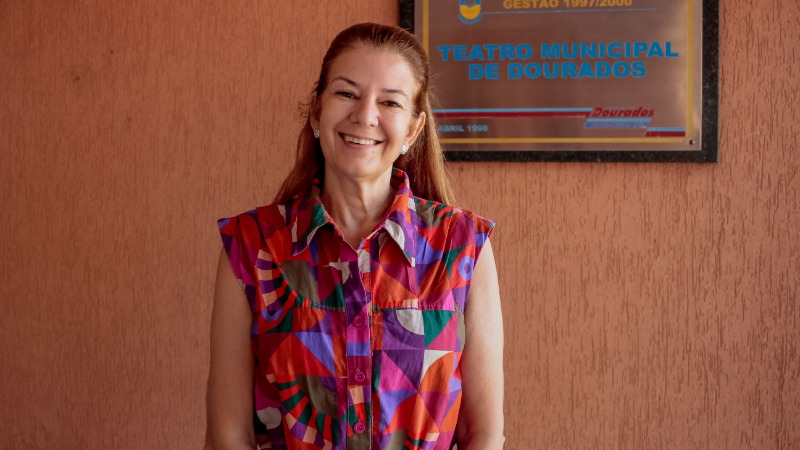
In attendance at the event, Dourados’ Secretary of Culture, Gisela Melo, expressed her gratitude for the initiative: “On behalf of the Dourados municipal government, I would like to thank the Comitê de Cultura for being here to engage with us and address the questions of our cultural producers and artists during this phase of the PNAB.”
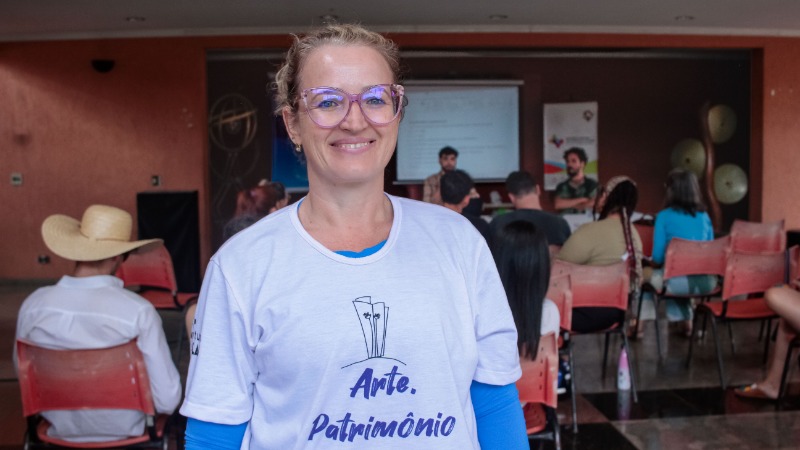
Marcia Uliana, executive secretary of the Dourados Permanent Culture Forum, described the event as essential. “These activities… are fundamental for us as project proposers, but also as people interested in culture in the city. It’s important—indeed, necessary—for people to have a clearer understanding of what the call for proposals entails.”
EVENT AT RETOMADA YVU VERÁ
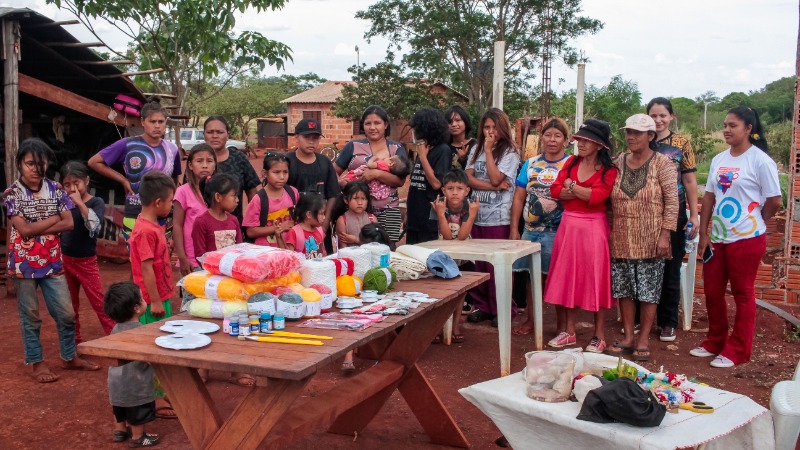
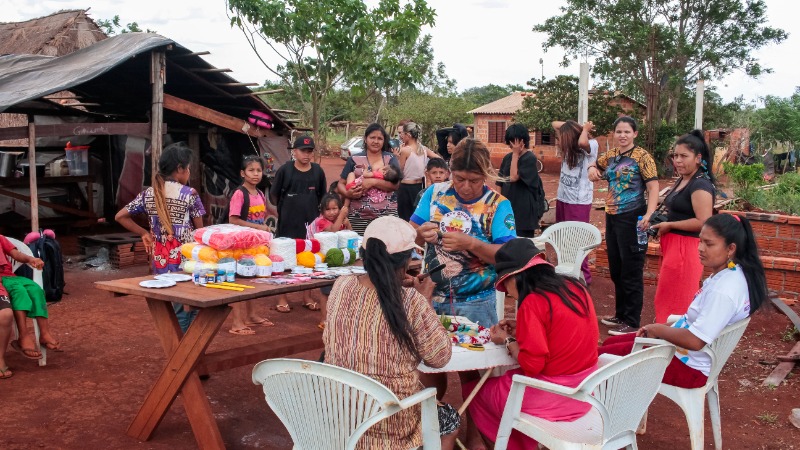
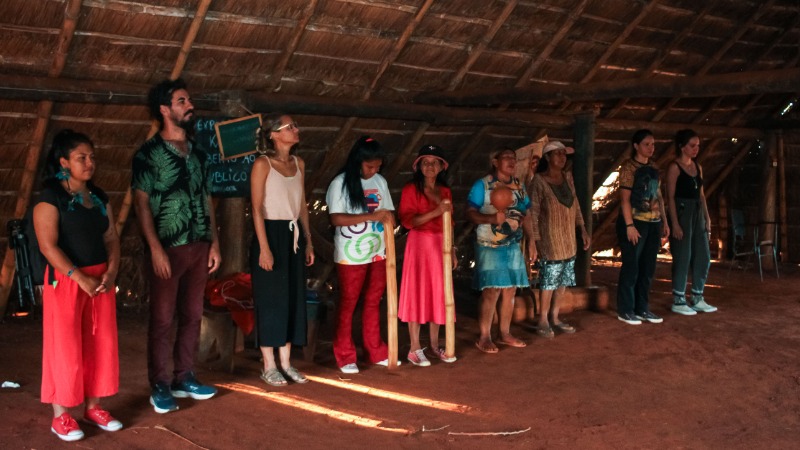
On the same day, the Committee’s team visited Retoma Yvu Verá, Guarani-Kaiowá territory. The initial goal was to hold a workshop on portfolio creation with local artisans.
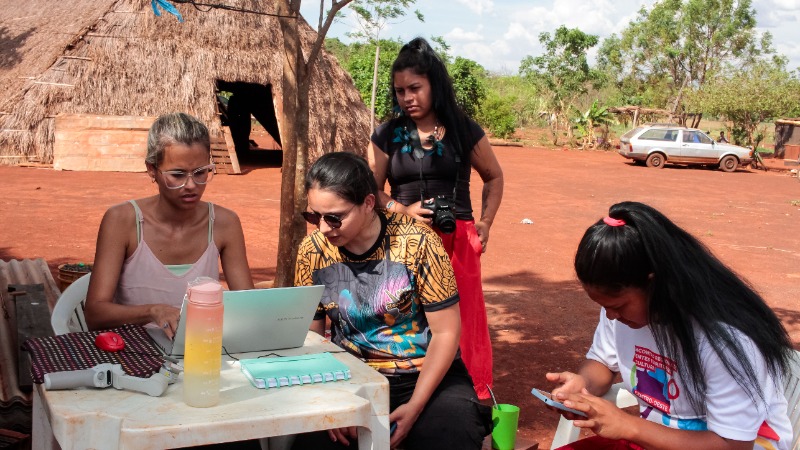
Nair Gavilan, a producer at Flor e Espinho, explained that the initiative had to be adapted to the reality they encountered. “It wasn’t just about the workshop or creating the portfolio. We had to explain what a portfolio is and why it’s important for a project… These are women from the Yvu Verá land reclamation occupation who had never even had access to calls for proposals. It wasn’t just about developing projects—they didn’t have access to any public policies at all,” Nair pointed out.
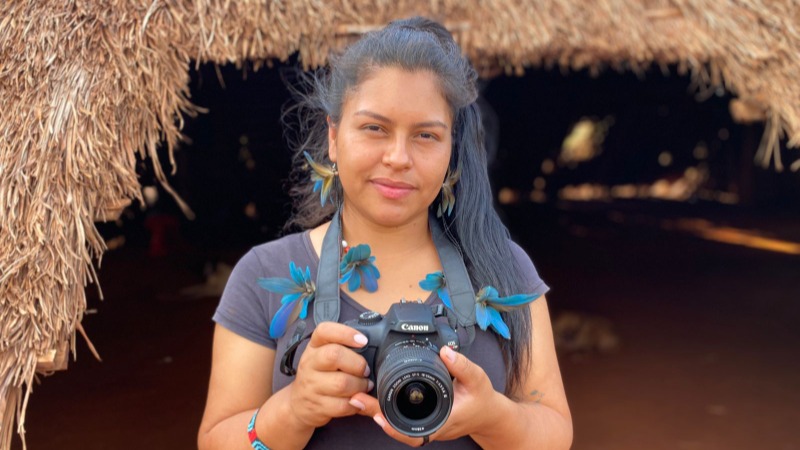
Cris Benites, a 28-year-old Indigenous teacher and photographer who lives in the community, spoke about the importance of the Comitê de Cultura’s presence in the territory. “Often there are open calls for proposals, but they [the artisans] can’t access them—that information doesn’t reach our community. The calls for proposals remain open, and sometimes the funding ends up being returned because no one applies. It’s very important for the Committee to come to our community for this reason—to give these Guarani-Kaiowá Indigenous women a leading role,” she argued.
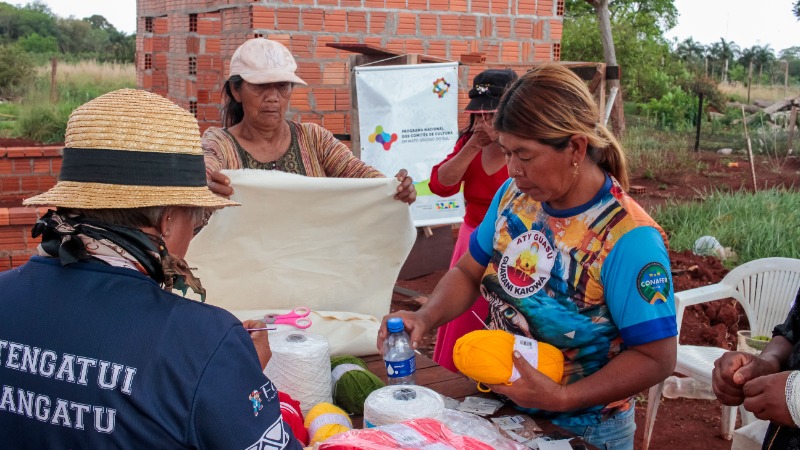
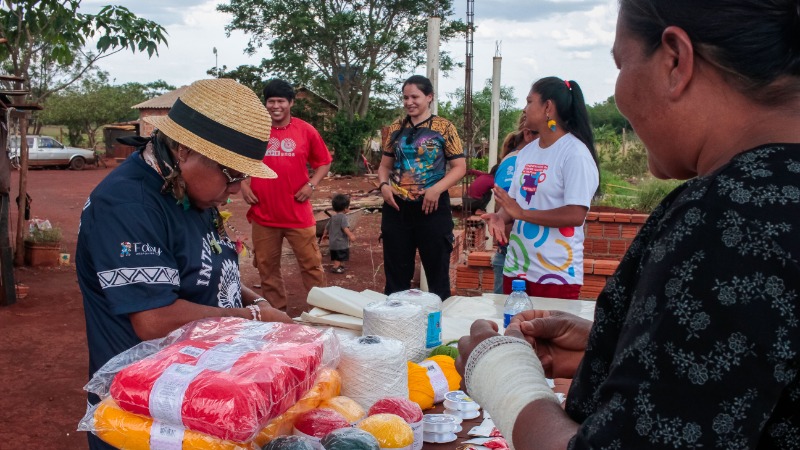
The Committee brought materials for craft production. Nhande Sy Claudiene, a local leader, expressed her gratitude for the support. “Today I saw that they brought a lot of things—knitting yarn and dye… and I was very happy, because I like to teach the children who don’t know how to make crafts. That’s what we need here in our reclaimed community—inspiration and support; any help we receive will be welcome,” she said.
ABOUT THE CULTURE COMMITTEES
The Culture Committees are networks of civil society actors and institutions, selected through public calls for proposals, with the goal of coordinating and strengthening cultural policies in their territories.
In line with the principles of the National Plan for Culture and Citizenship (PNCC), they work to promote social mobilization and provide training on cultural rights.
The mission of these committees includes supporting the development of projects, expanding access to information about federal initiatives, combating misinformation, and strengthening the National Culture System.
THE COMMITTEE IN SOUTH MATO GROSSO
In Mato Grosso do Sul, the Civil Society Organization of Public Interest (OSCIP) Flor & Espinho, located in Campo Grande (MS), was selected through a call for proposals issued by the Ministry of Culture (MinC).
Therefore, Flor & Espinho is the organization responsible for carrying out the Committee’s activities in various municipalities in Mato Grosso do Sul that were pre-selected in the work plan.