
Terena Dance Group Establishes Association with Support from the MS Comitê de Cultura
After two years of activity, the dance troupe—which has performed for ministers and the president—has achieved autonomy
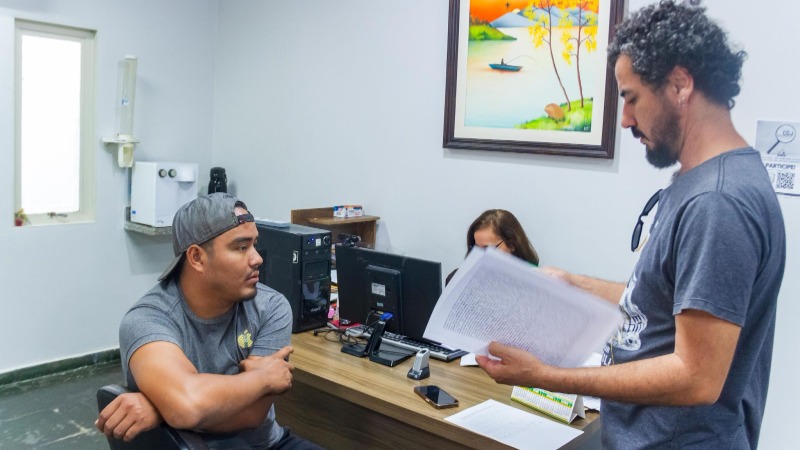
On May 25 and 26, the Taunay Ipegue Indigenous Territory in Aquidauana received technical assistance from the Mato Grosso do Sul Comitê de Cultura (CCMS) for the legal incorporation of the Haná’iti Kipâe’ Association, an indigenous dance group that, for the past two years, has been touring villages and cities across Brazil, presenting artistic performances as a strategy for resistance and the preservation of the Terena people’s cultural traditions.
With support from the CCMS team, the group—which has already danced with Brazil’s Minister of Indigenous Peoples, Sonia Guajajara, in front of President Luiz Inácio Lula da Silva, First Lady Rosângela Lula da Silva, and other officials—has now managed to formalize its status. “We will have legal autonomy to receive the financial resources that will help preserve the ‘Terena Dance,’ a tradition that many Indigenous people are losing,” explained Devanilson Paz, the chief and one of the group’s founders.
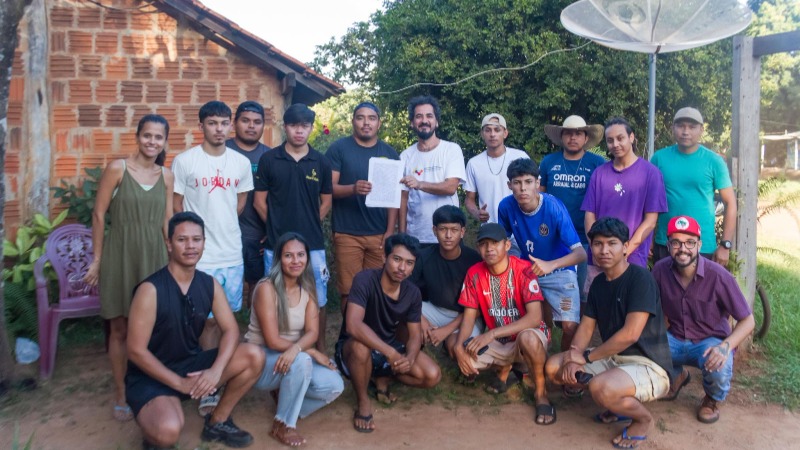
According to Devanilson, with its own CNPJ, the group will have access to funding, public grants, and other forms of institutional support.
‘GRANDE EMA’
The name Haná’iti Kipâe’ means “Great Ema” in the Terena language—a symbol of resistance for the artistic-cultural collective.
For the group’s members, the formal establishment of the association is more than just a bureaucratic step forward: it is a historic achievement that strengthens the community’s cultural and social identity. “The concept behind our collective now is to bring more social action to the Ipegue community and to the entire region. There’s a lot missing here, a lot of unmet needs. People forget that Indigenous people live here, and this association is here to change that—to bring games, sports, and to steer our youth away from alcohol and cigarettes. The committee’s presence has opened these doors for us, and this will be very good for me and for the collective,” said Devanilson.
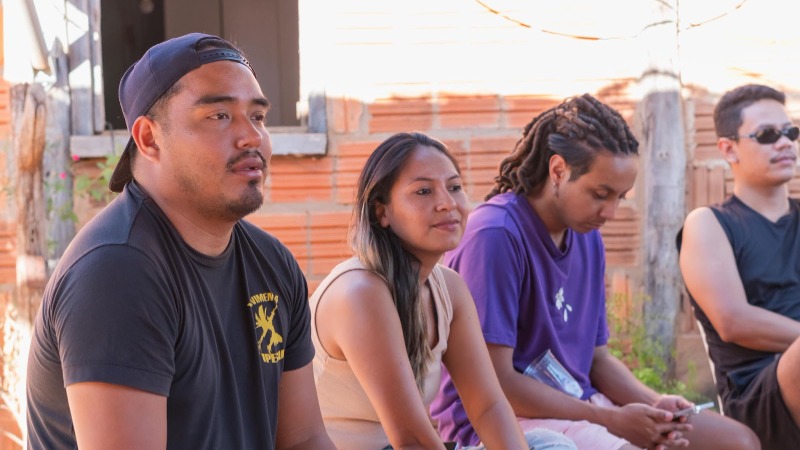
The chief explained that it is now important for government agencies in Mato Grosso do Sul to support Indigenous people who create art. “We’ve been seeking support since 2022, but we always ran into closed doors. These days, without being a legal entity, we’ve been able to accomplish almost nothing. But now, with the association legally registered, we hope the state will come, see us, and bring projects, calls for proposals, and opportunities. Here we have artists, talent, and a living culture,” he declared.
Seane, one of the group’s founders, celebrated this unprecedented moment in her life. “This is the first time I’ve been part of a legally recognized association. The information you’ve shared is very important to me. Now we believe we’ll have an income and will benefit the community through crafts, fairs, and activities. This changes our lives, because now everything is on paper.”
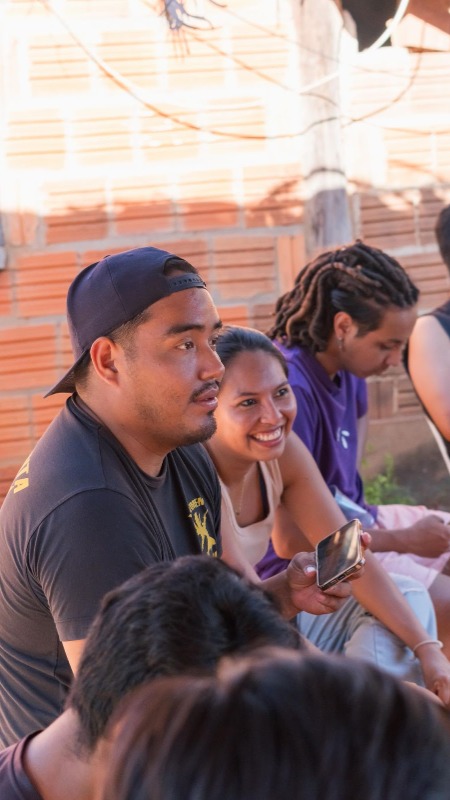
For her, formalization means not only greater access to resources but also more dignity and structure for the artists and the community.
Jonatas Moreira, a teacher and member of the group, emphasized that the creation of the association has a direct impact on the region’s youth: “With this association, young people now have new goals and projects. It will enable us to access resources and invest in culture, education, sports, and social initiatives that are sorely needed here. Dance can expand and reach other regions—not just Aquidauana, but the entire state.”
In Jonatas’ view, this formalization comes as a natural part of the group’s internal maturation process: “I think the group has had time to get organized. Now that everything is documented, we have the legal certainty to pursue new projects. This allows our initiatives to move beyond theory and become a reality,” he concluded.
A NEW CYCLE
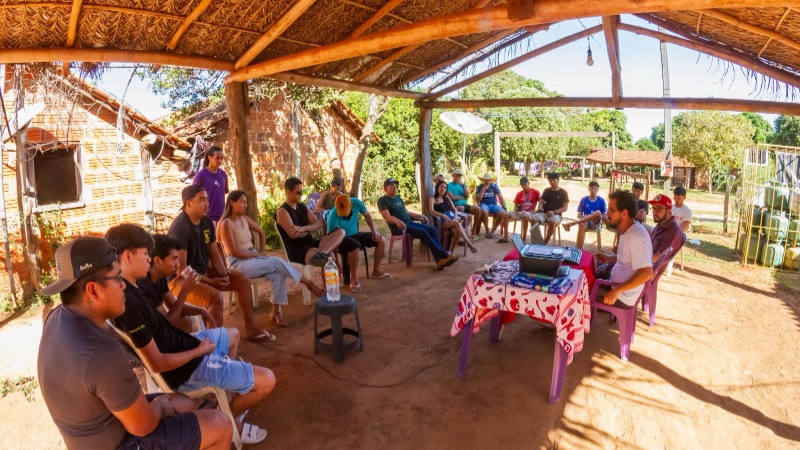
The intention, according to the founders, is to have a cross-cutting impact. “We are a group dedicated to preserving Indigenous cultures, so we must fight to protect our forests, our wildlife, and the Pantanal itself. Our work will encompass all these areas, thanks to the right legal guidance that has helped us understand this is possible. It’s a historic day for us,” concluded Chief Devanilson.
Anderson Lima, president of Flor e Espinho—the civil society organization hosting the Comitê de Cultura in MS—outlined the new chapter for the Haná’iti Kipâe’ Association. “We want to see them reaching more and more places with the dance that preserves our memory. It’s a very special day. This is the second Indigenous association we’ve helped establish legally. In February, it was in the Limão Verde Village, with the Úne Yoko Yúku Indigenous Brigade. So, we feel that we’re on the right track,” he said.
According to Lima, the CCMS has an extensive program and various other initiatives ahead, made possible by the National Program for Culture Committees (PNCC). “This policy is made possible thanks to the Ministry of Culture, which was reinstated during President Lula’s administration. The idea is to reach places where the federal government cannot. So, the CCMS is meant to address various cultural needs in Mato Grosso do Sul, but especially those that have historically been neglected,” he commented.
According to Lima, the CCMS hopes that this formal recognition will have a positive impact on the Terena group’s activities. “May the singing continue, may the dancing endure, may our culture flourish! Because Haná’iti Kipâe’ is more than just a group—it is the spirit of a people who will never bow down,” Lima added.