
In Três Lagoas, the Aflora Project Promotes Cooperatives and Associations Through a Training Workshop
The initiative presented ways for cultural groups to organize themselves professionally and expand their access to public and private funding


On Wednesday evening (Oct. 1, 25), the Flor e Espinho Cultural Association held a workshop on Associations and Cooperatives at the Acapela Cineteatro in Três Lagoas (MS).
The workshop, made possible by funds from a parliamentary amendment proposed by Federal Representative Camila Jara (PT), is part of the “Aflora Project—Strengthening Civil Society,” which offers guidance on formalizing collectives and managing associations and cooperatives, with an emphasis on accessing public and private resources.
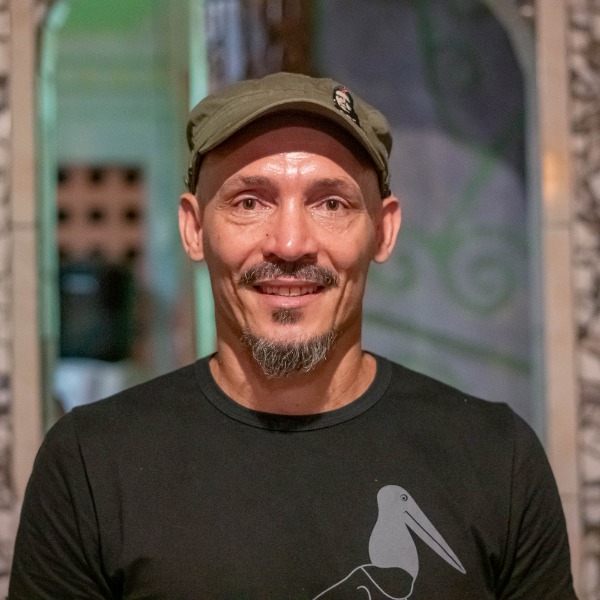
For musician and manager of the Acapela Cineteatro venue, Maringá Borgert, 41, the event was a time of learning and hospitality.
It was a milestone for our city to have a workshop like this. People are eager for this kind of knowledge about culture, because when they see the workshop’s name, they sometimes think it’s about entrepreneurship, but it’s entirely focused on culture—for those who work in the cultural sector. We’re confident that the project will bear much fruit in our city,” he noted.
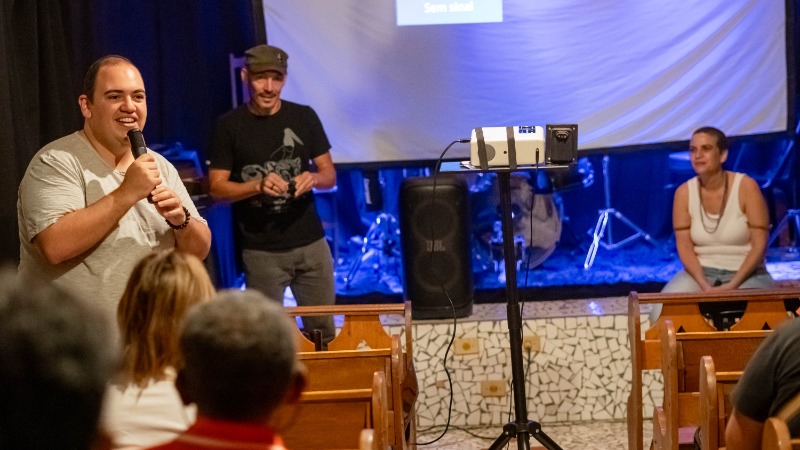
Visual artist and state advisor on cultural policies Israel Zayed, 37, recognized the positive impact of the workshop on the city’s artists.
It was great to have this in-person meeting, especially in this cultural space that is so dear to us. It was also helpful to understand the difference between an association and a cooperative; although many people think they’re the same thing, I learned several new things here. We were also able to see the weaknesses: sometimes our dream of a collective is better served by a cooperative, other times by an association, and understanding that is very important. I hope that everything we discussed here will become a little seed,” he reflected.
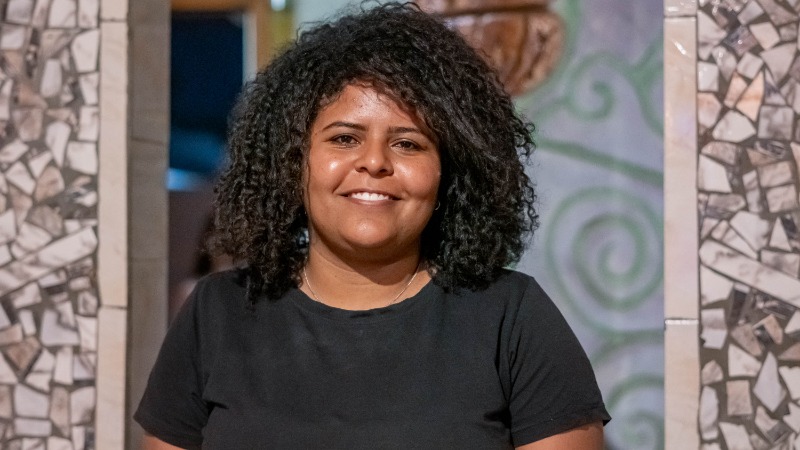
Ceramic artist Samara Bertoche, 27, highlighted the importance of the workshop in expanding her knowledge about the organization of the cultural sector.
“I had no idea how big the difference between an association and a cooperative really was. Sometimes we have an economic goal, and no matter how much we want to focus on the social aspect, we don’t know how to apply that in different situations—and this workshop was very informative and, in a way, also very interactive.” “Here we were able to ask questions—something we often can’t do because we don’t know who to turn to in the city,” she revealed.
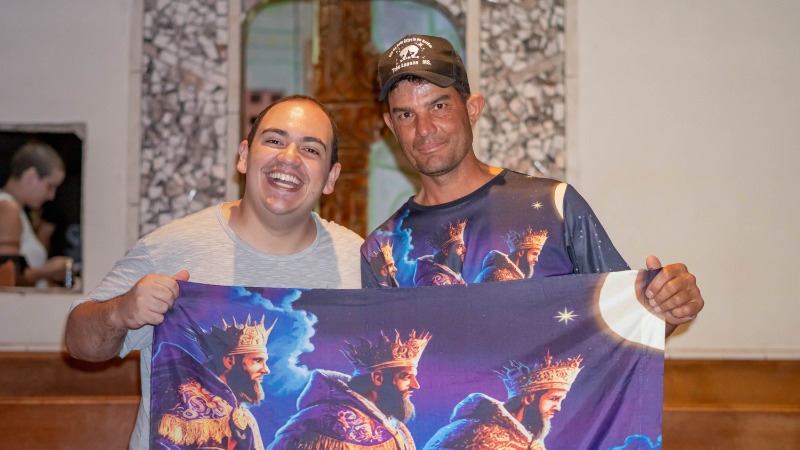
Another person who appreciated the opportunity to ask questions was Gustavo Toni, 40, organizer of the Santos Reis Festival in Três Lagoas and director of the Paranapungá Neighborhood Residents’ Association.
“This is a huge help, because we have a lot of questions and want to know how things work. With what we’ve learned here today, we can communicate better, create better projects, with higher quality and greater accountability.” “We’re already in the process of getting our association officially registered, but after the workshop, we’re considering the possibility of formally establishing a cooperative in the future so we can bring other people on board and support other projects in the region,” he said.
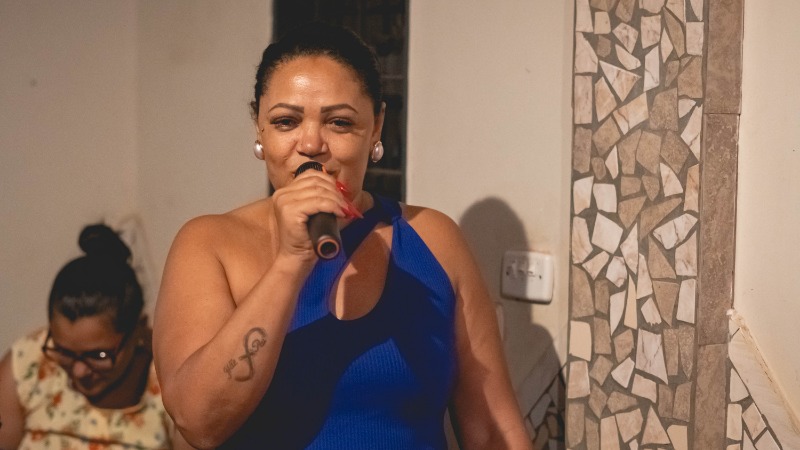
Singer Mara Ly, 51, known artistically as the “Queen of Piseiro” from Três Lagoas, expressed her excitement about the next stages of the project.
“There were so many things I didn’t understand, and I didn’t even know we could set up an association or a cooperative—just look at what a wonderful thing! This workshop was really great because it opened our minds, helping us understand the best way to organize ourselves. I can’t wait to do it again,” she celebrated.
In Três Lagoas, the “Aflora Project” was led by a team consisting of community organizer Maringá Borgert; regional coordinator Grace Kelly Assalin; and general coordinator and workshop facilitator Fernanda Teixeira.
Photos from the gallery: Aly Freitas