
Aflora Project Hosts Community Organization Workshop in Juti
The event brought together residents of the Guanabara Settlement and the Jarará Village, as well as artisans, to discuss collective organization and income generation
On March 5, 2026, the Aflora Project held a workshop on Associations and Cooperatives in Juti (MS), offering guidance on collective organization, income generation, and empowering workers and communities. The workshop was led by facilitator Cássio José Rodrigues, representing the Oscip organization Flor e Espinho.
During the workshop, Cássio highlighted the economic impact of public investments in culture and the importance of worker organization in expanding income-generating opportunities.
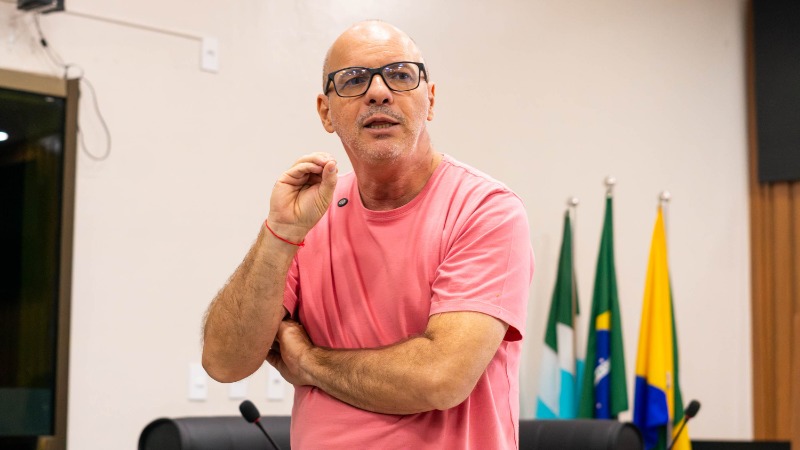
For every 10,000 the city invests in culture, it generates 21 and 400. Where? In local businesses, in the community—you get the idea.
The workshop leader also emphasized the importance of collective organization for the development of activities and the sustainability of families.
So, this is what the federal government wants, and this is what we’re doing here today: encouraging you to organize yourselves as a very important sector so that you can work, generate income, support your families, and create jobs in the future.
ARTISANS CALL FOR SUPPORT
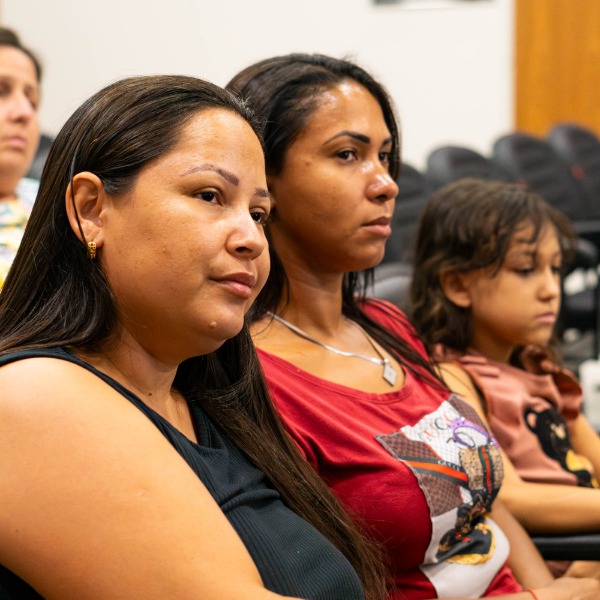
The workshop also provided a forum for the demands of the municipality’s artisans, who are seeking to form an association to strengthen collective work and expand access to resources.
Dayane, a jute artisan, stated that the group faces difficulties and feels neglected by the government.
I really liked it; I liked the idea. We’ve been wanting to form this association for quite some time now. It’s not just me—since I’m an artisan—there are other women here whom I’m representing, but that’s the thing: we need this. Funding comes in that helps us; we really need a lot of improvements. So, there’s a large group of craftswomen here in Juti, but we feel abandoned and forgotten.”
PARTICIPANTS HIGHLIGHT THE TRAINING
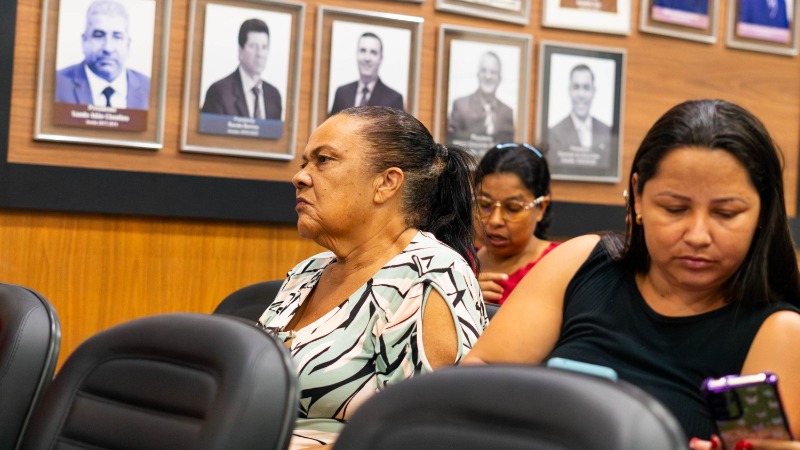
Maria das Graças, a resident of the Guanabara Settlement, participated in the workshop and highlighted the opportunity to gain and share knowledge.
I’m Maria das Graças, and I’m from the Guanabara Settlement. I really liked the instructor’s explanations. I’m very happy to be here participating, sharing knowledge with people and learning, right? It’s really great to take part in these events.
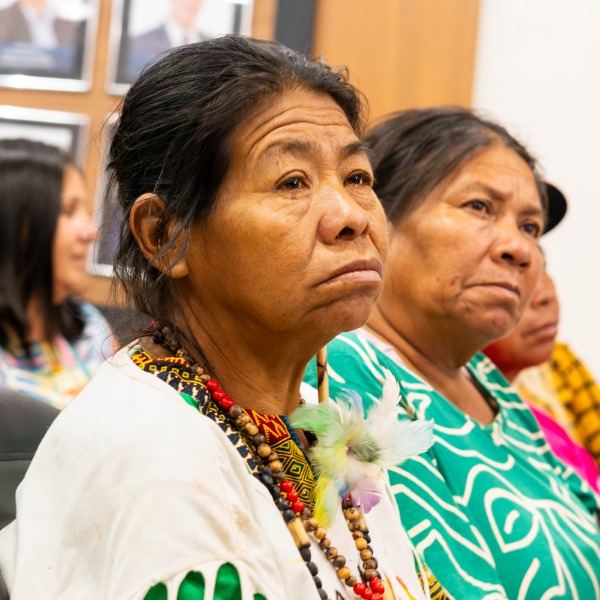
Fátima Iturbe, from the Jarará Village, also gave the activity a positive review and called for these initiatives to continue in the community.
So, for me, this meeting was really important, right? It was great, and for us, having this event take place here was really good. But I want to thank you all for coming from so far away to see our situation, right? I’m truly grateful from the bottom of my heart. But I don’t want it to happen just once—you have to come back more often.
The Aflora Project is carried out by the Oscip Flor e Espinho, with funding from a parliamentary amendment by Federal Representative Camila Jara (PT-MS). The initiative promotes training and guidance activities to strengthen community organization and expand the scope of action for groups in Mato Grosso do Sul.
Fotos da galeria: Tero Queiroz